
Inland Marine Inspections

Detailed reviews of mobile property, equipment, tools, storage, and transit exposures.

Twenty First Services provides inland marine inspections that help underwriters evaluate contractor equipment, tools, miscellaneous mobile property, storage controls, transport practices, and loss exposures with clear photo documentation and concise narrative reporting.

Nationwide Coverage
Underwriter-Focused Reporting
Fast Turnaround

Equipment Focused

We document the mobile property, equipment, and tools that matter to coverage.

Storage & Transit

Underwriters get visibility into where property is kept and how it is moved.

Operational Context

Reports explain how the insured uses, stores, and protects inland marine property.

Fast Turnaround

Timely delivery helps keep underwriting decisions moving.

Photo Documentation

Clear imagery supports condition, identification, and security observations.

Narrative Reporting

Concise written summaries highlight risk details and notable exposures.

What We Review

Our inland marine inspections capture the core information underwriters need to evaluate equipment, property, and related loss exposure.

1
Operations and exposure icon

Operations & Exposure

  • Type of business and operational use
  • Who owns, leases, or schedules the property
  • How and where the property is used
  • Territory or radius of operations
  • Values, quantities, and overall exposure context
2
Types of property icon

Types of Inland Marine Property

  • Contractor equipment and mobile machinery
  • Tools, miscellaneous mobile property, and attachments
  • Leased, borrowed, or rented equipment
  • Scheduled items and high-value equipment
  • Identification details such as make, model, and serial information
3
Storage and security icon

Storage & Security

  • Where property is stored when not in use
  • Indoor, outdoor, fenced, or locked storage conditions
  • Alarm systems, gates, and site access controls
  • Key, inventory, and equipment security procedures
  • Protection against theft, vandalism, and weather exposure
4
Transit and handling icon

Transit & Handling

  • How equipment and property are transported
  • Loading, unloading, and tie-down practices
  • Use of trailers, service vehicles, or third-party transport
  • Handling procedures that affect condition or loss risk
  • Transit frequency and operating territory
5
Premises protection and loss history icon

Premises Protection & Loss History

  • Premises layout and general site protection
  • Fire protection, housekeeping, and maintenance
  • Prior thefts, losses, or damage history
  • Known concerns related to weather or vandalism
  • Risk controls already in place at the location
6
Photo documentation and narrative reporting icon

Photo Documentation & Narrative Reporting

  • Overall photos and close-ups of major equipment
  • Condition observations and identifying details
  • Supporting notes about storage and transport controls
  • Clear narrative summaries of exposures
  • Underwriter-ready reporting with practical detail

Why Underwriters Use Inland Marine Inspections

Inland marine risks often involve mobile property, changing locations, and a mix of storage and transit exposure. Our inspection process gives underwriters a clearer picture of how property is protected, transported, and managed.
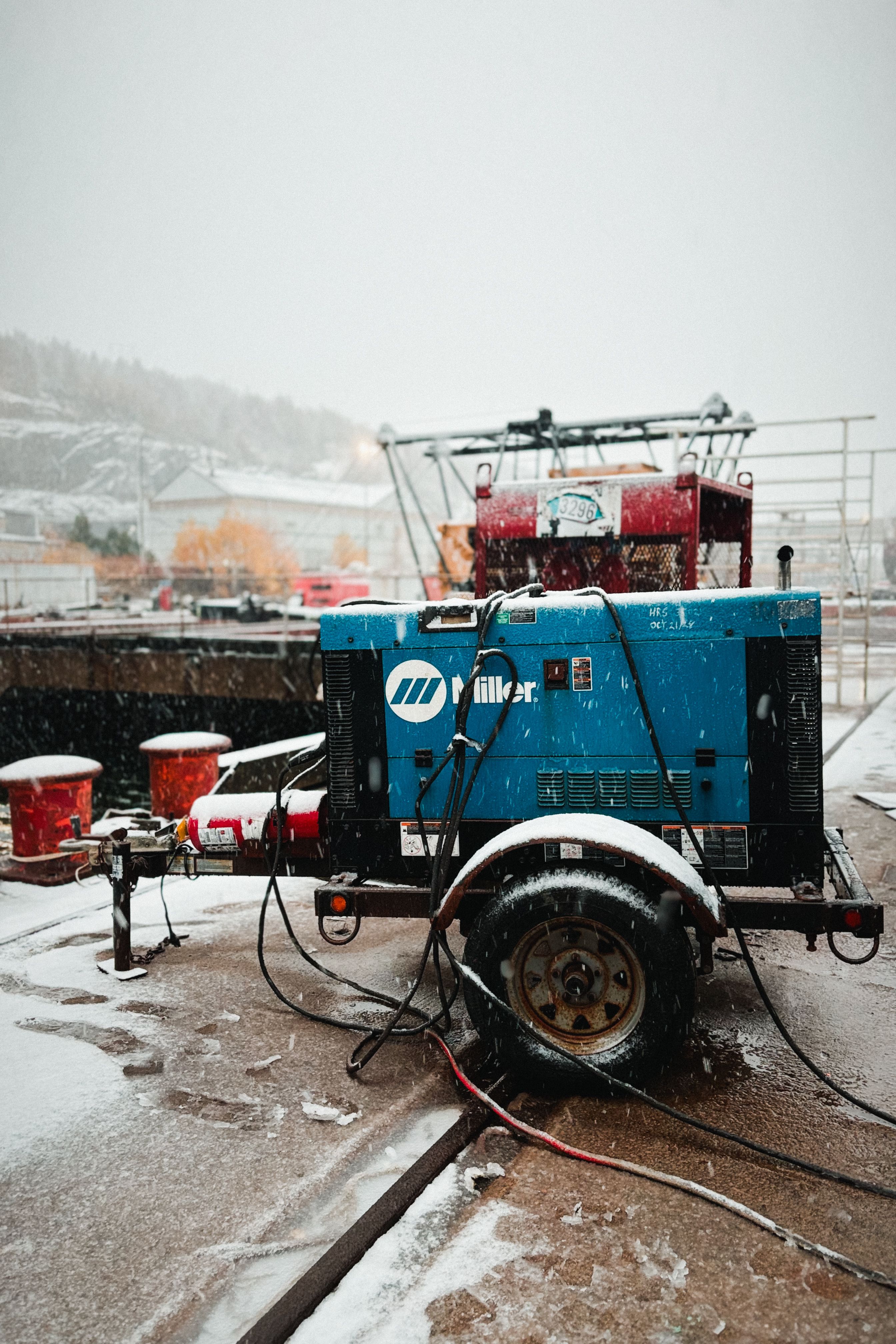
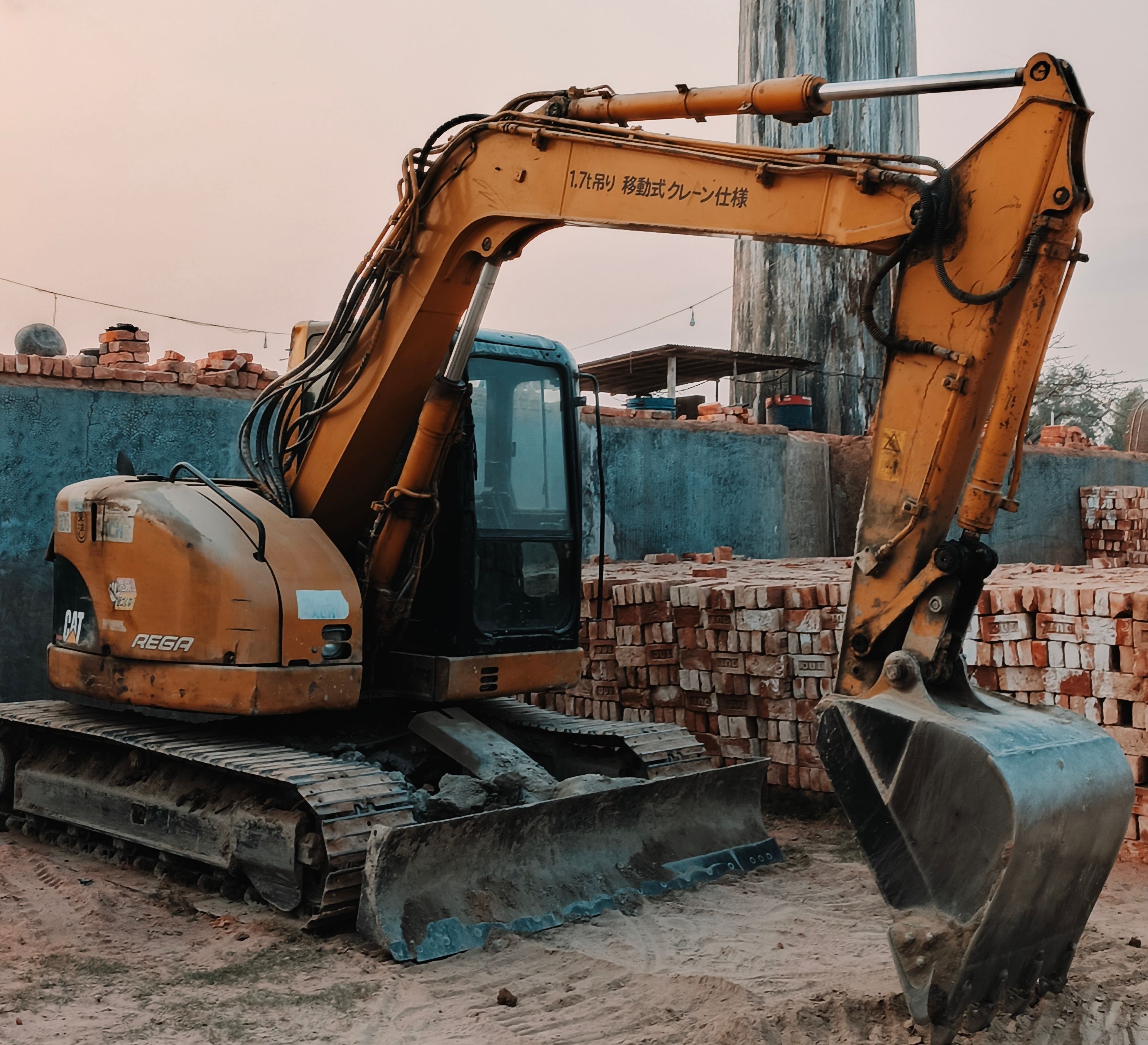
  • Confirms the type and condition of equipment or mobile property
  • Documents where property is stored and how it is secured
  • Explains how items are transported or moved between locations
  • Highlights operational details that can affect theft or damage risk
  • Provides narrative context that supports faster decision-making
Inland marine inspection reporting placeholder
Inland marine report spread placeholder

What the Report Delivers

Every inland marine report is built to give underwriting teams a practical snapshot of the property, its use, and the surrounding controls.

  • Insured overview and property exposure summary
  • Descriptions of scheduled or notable equipment and mobile property
  • Storage, security, and handling observations
  • Transit and operational details relevant to loss potential
  • Photo documentation and concise narrative commentary

Why It Matters for Underwriters

Our inland marine inspections are designed to support confident underwriting decisions.

1

Clarifies Exposure

Identifies the property, where it is used, and the operational context surrounding it.

2

Documents Controls

Shows how property is stored, secured, and protected against common loss sources.

3

Supports Review

Provides photos and narratives that are easy for underwriting teams to review quickly.

4

Improves Decisions

Helps carriers make more informed coverage and pricing decisions with less guesswork.

Need Inland Marine Inspection Support?

Our team can help match the right inspection solution to your underwriting needs.