
Phone-Only Inspection
Used for contractors whose operations can be evaluated by phone based on the size and type of work performed.
Phone and jobsite inspection reports for contractors, trade professionals, and construction-related risks. When gross sales exceed the applicable threshold or the exposure requires it, we complete a jobsite inspection with photographs.
Used when operations can be evaluated by phone based on the size and type of work performed.
Used when sales or exposure require field review, including photos of an active jobsite.
We document subcontractor usage, contracts, insurance controls, and safety practices.
We confirm activities that can materially affect contractor liability exposure.
Contractor inspections may be completed by phone or as a jobsite inspection with photographs, depending on the account size, gross sales, and exposure.
Used for contractors whose operations can be evaluated by phone based on the size and type of work performed.
Used when gross sales exceed the applicable threshold or when the exposure requires a field review. Includes photographs of an active jobsite.
TFS reviews contractor operations, subcontractor controls, work mix, and higher-hazard activities to support general liability underwriting.
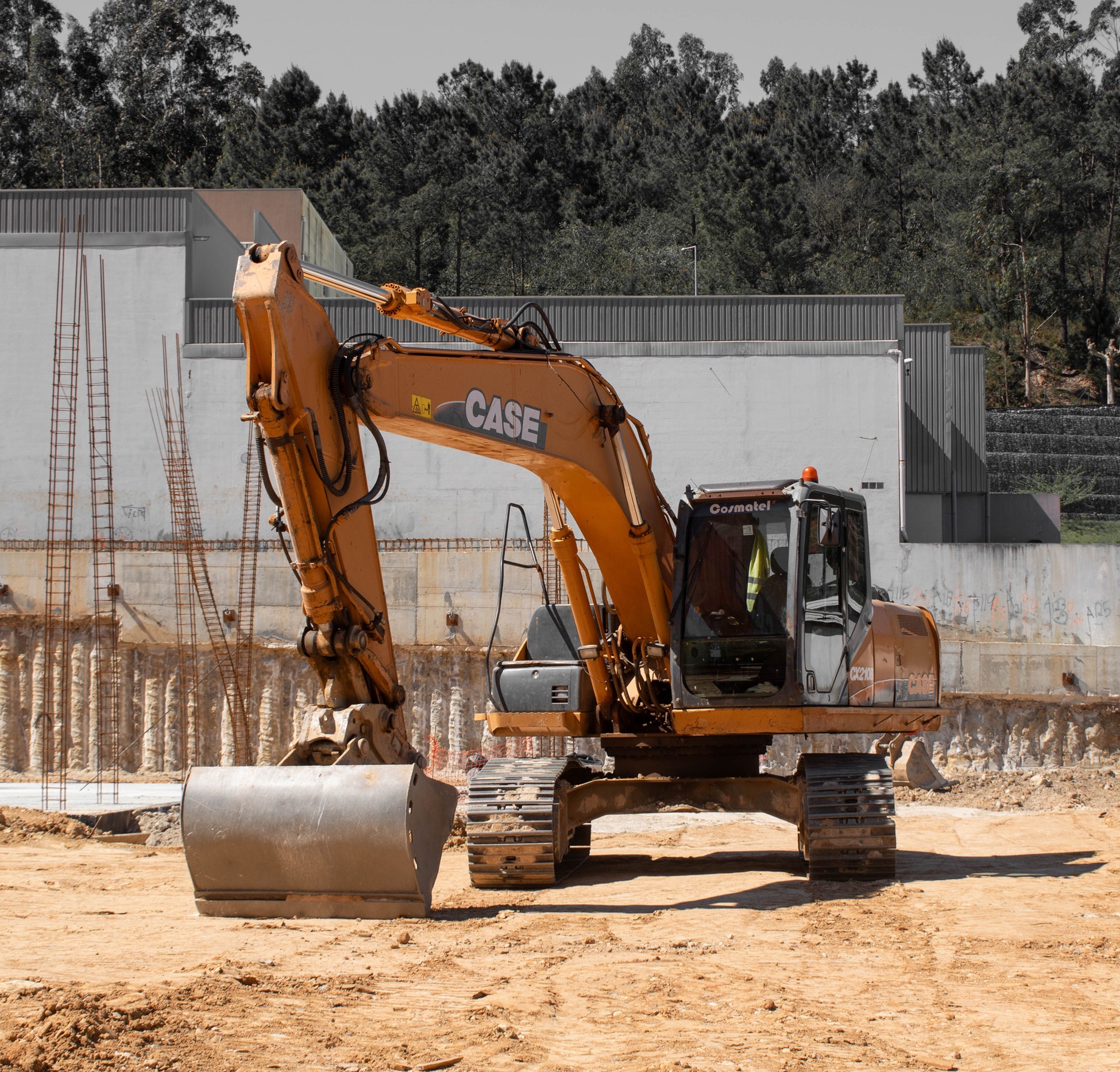
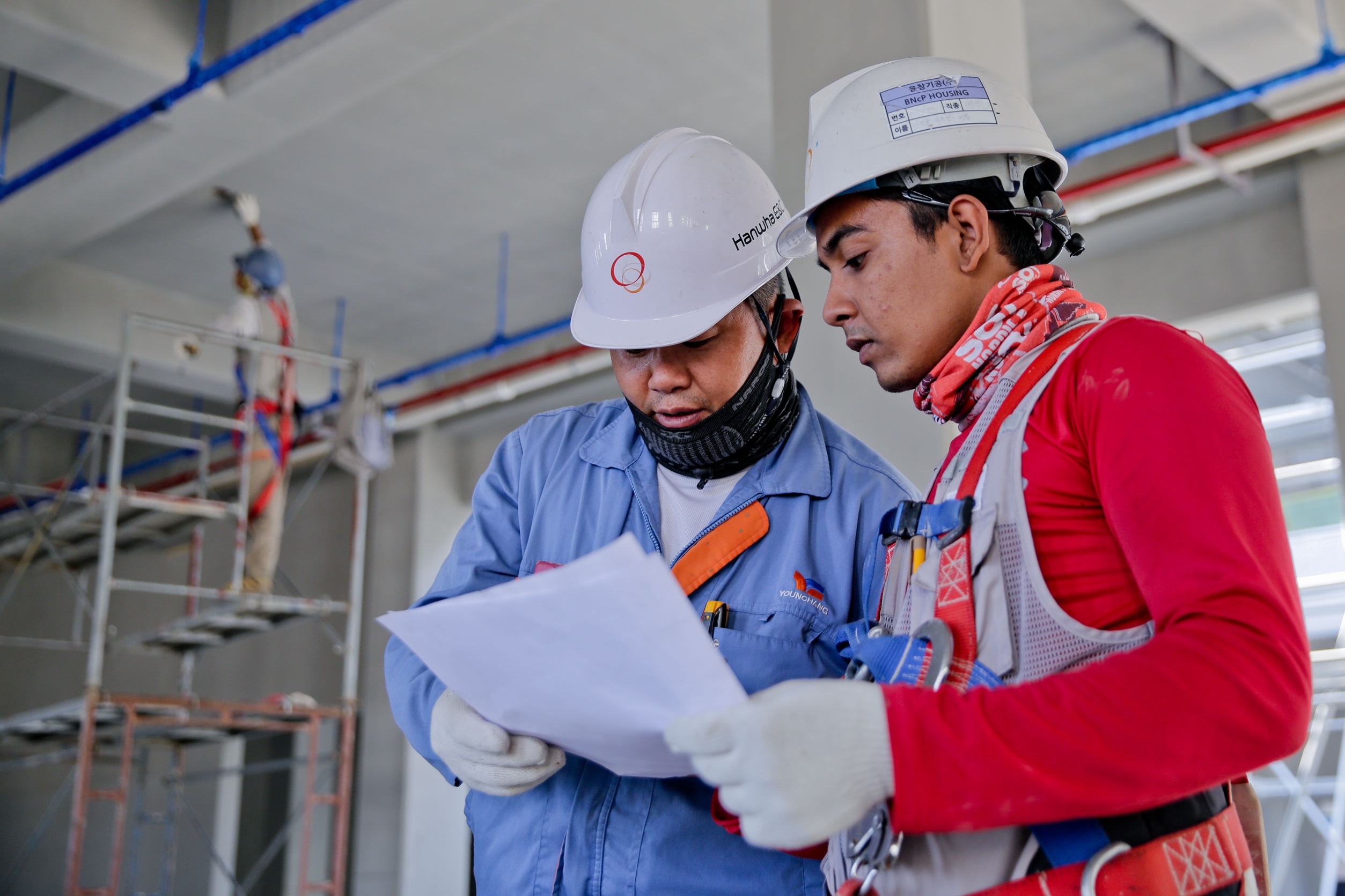

Contractor risks can vary widely by trade, job type, subcontractor usage, safety controls, and whether hazardous work is performed.
Verifies work type, revenue mix, contractor classification, and scope of operations.
Documents contracts, hold harmless wording, additional insured status, and insurance controls.
Captures activity that can increase the potential for severe liability losses.
When photos are required, jobsite review helps underwriters see the actual exposure.
Accurate contractor data helps underwriters evaluate and price risk with confidence.